What is EMDR therapy?
Jess now offers Eye Movement Desensitisation and Reprocessing
A powerful, evidence-based psychotherapy recommended for trauma, PTSD, phobias, anxiety, and distressing life experiences. EMDR is a structured and highly effective therapy that helps the brain reprocess painful memories so they no longer feel overwhelming or emotionally charged. Many people experience significant improvement in a shorter time compared to traditional talking therapies.


What Is EMDR Therapy?
EMDR stands for Eye Movement Desensitisation and Reprocessing. It is a trauma-focused therapy developed to help people recover from distressing or traumatic life experiences.
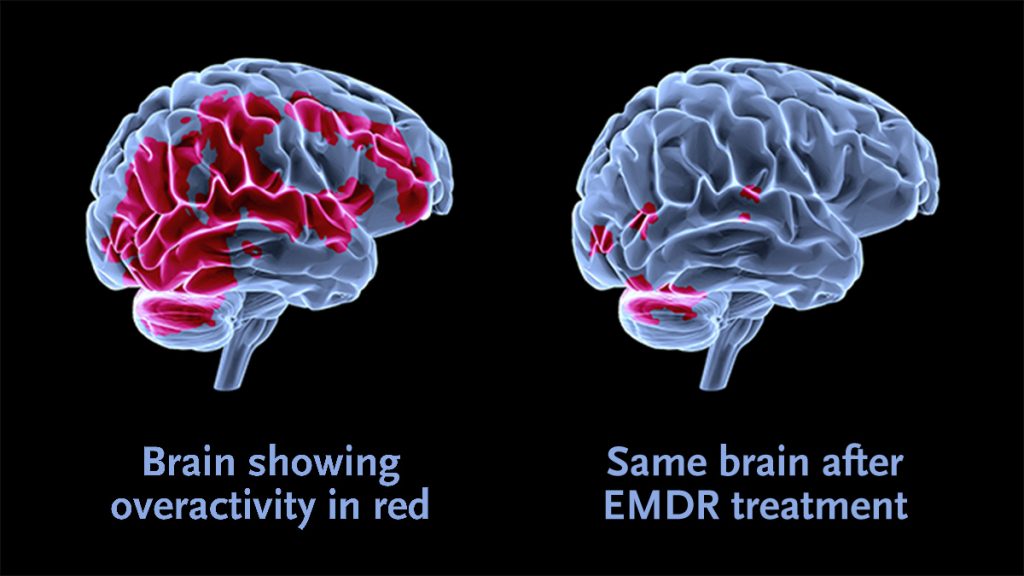
When something overwhelming or traumatic happens, the brain can become “stuck” processing the memory. This means the experience continues to feel as upsetting in the present as it did when it originally happened. EMDR helps the brain to reprocess these memories correctly, allowing them to move into long-term memory where they feel distant, manageable, and no longer emotionally triggering.
Rather than focusing only on talking, EMDR uses bilateral stimulation (such as guided eye movements, tapping, or tones) to support the brain’s natural healing process.
How Does EMDR Work?
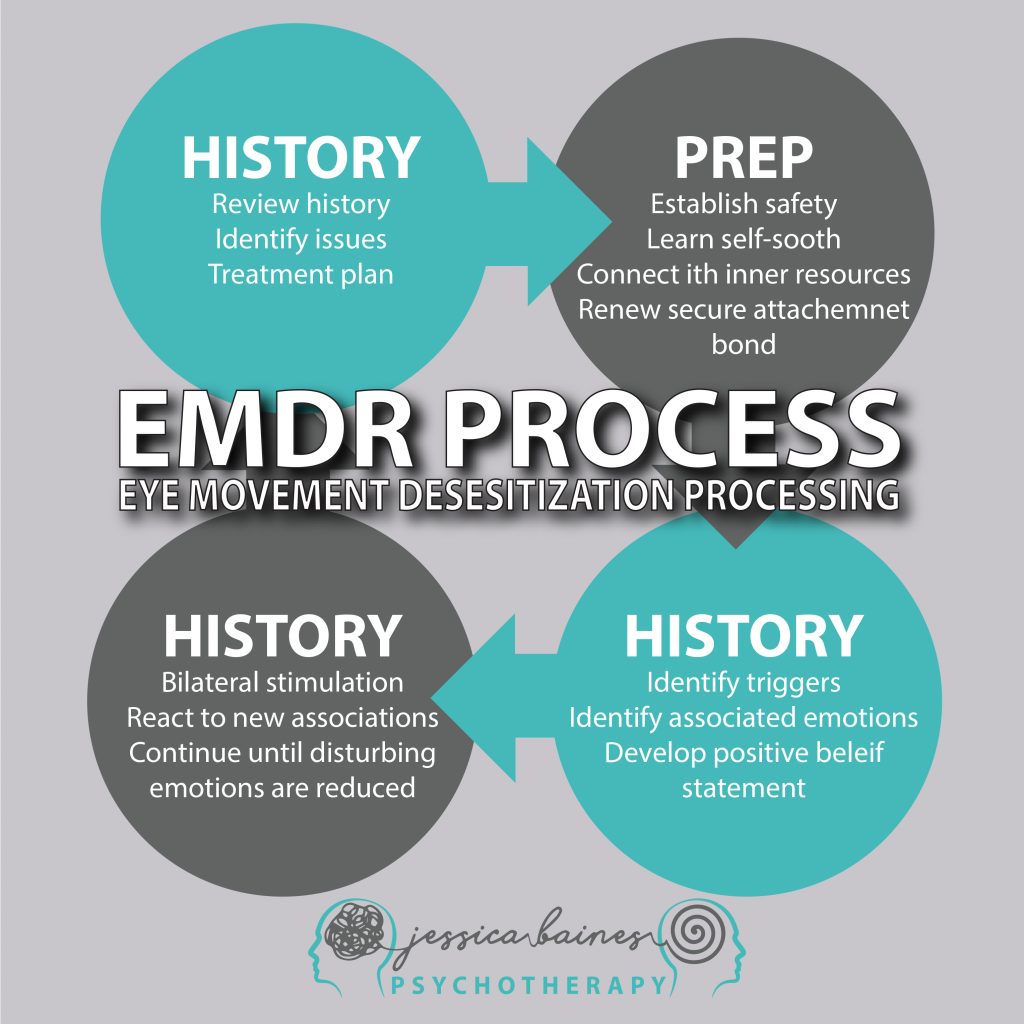
EMDR follows an eight-phase structured protocol that ensures therapy is safe, stabilising, and effective. During sessions, you will be gently guided to briefly focus on a distressing memory while simultaneously engaging in bilateral stimulation. This allows the brain to:
- Reduce emotional intensity
- Reprocess negative beliefs
- Form healthier perspectives
- Integrate memories in a non-distressing way
Over time, memories lose their emotional “charge” and become something that happened — rather than something that still feels like it is happening now. You remain fully aware, in control, and supported throughout the process.

Who Can Benefit from EMDR? EMDR is effective for a wide range of emotional difficulties, including:
- Trauma and PTSD
- Childhood trauma and attachment wounds
- Anxiety disorders
- Panic attacks
- Phobias
- Health anxiety
- Grief and loss
- Low self-esteem and negative core beliefs
- Emotional abuse, neglect, or bullying
- Relationship trauma
- Distressing life events such as accidents, medical trauma, or sudden loss
EMDR is suitable for both single-incident trauma and long-term, complex experiences.
What Does EMDR Help With?
- Feel calmer and less reactive
- Reduce intrusive memories, flashbacks, and nightmares
- Release emotional blocks
- Improve confidence and self-belief
- Reduce anxiety and fear responses
- Feel more in control of your emotions
- Improve relationships and quality of life
Many clients describe feeling lighter, clearer, and more emotionally settled as therapy progresses.
EMDR with Jess
Jess provides EMDR therapy in a safe, supportive, and compassionate environment, either face-to-face in Accrington or online. All EMDR work begins with a careful assessment and stabilisation phase to ensure you feel prepared, safe, and confident before any memory processing begins.
You will never be rushed, pressured, or asked to discuss anything before you feel ready.
Jess offers a free initial telephone consultation to explore your needs, answer questions about EMDR, and help you decide whether this therapy is right for you.
EMDR can help you move forward — not by forgetting the past, but by freeing you from its emotional weight.